Hawker culture in Singapore is a UNESCO-recognized heritage. It shapes national identity through multiculturalism, excellence, and unique practices like “chope.” Explore Fort Canning artifacts, food tours, and more.
Introduction
When people think of Singapore, they often focus on its economic success. It changed from a struggling port to a busy city in just one generation. But there is more to the story including the important role of hawker culture. Different groups share their unique flavors, trades, and traditions in the streets, creating a lively community of hawkers.
For travellers who want to experience this firsthand, check out our 7 Hawker Centres Guide. You can savour authentic local dishes. You will also explore the city’s cultural heartbeat.
In 2020, UNESCO recognized Singapore’s hawker culture as part of the Intangible Cultural Heritage of Humanity. This highlighted its importance in Singapore’s food scene and national identity. Today, hawker centres are not just places to eat. They are social, cultural, and historical landmarks. These landmarks represent inclusivity, resilience, and quality.
For visitors and locals alike, hawker centres are an invitation to taste Singapore’s past. They offer a chance to experience its present. They also provide a glimpse of its evolving future.

The Historical Roots of Hawker Culture
Street Hawkers of the 19th Century
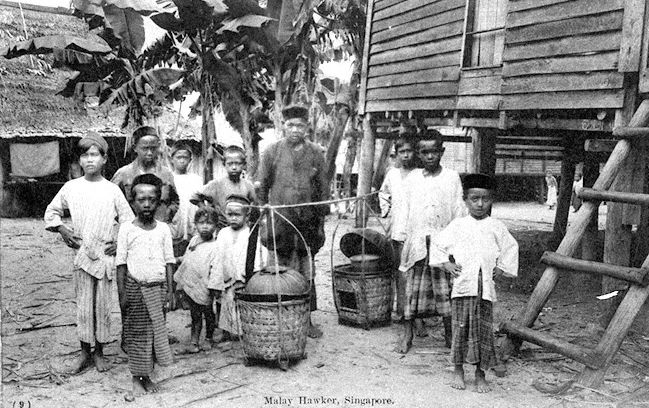
Hawker culture started in the 1800s. Immigrants from China, India, and the Malay Archipelago sold food from pushcarts and stalls. They provided affordable meals to workers, sailors, and families. This changed Singapore’s streets into busy food areas. The air filled with the smells of roasted meats, noodle soups, and curries.
Relocation into Hawker Centres
By the 1960s, after gaining independence, Singapore’s government aimed to clean up the streets and modernize the city. Street hawkers were moved to hawker centres, tidy, open-air spaces with many stalls under one roof. This change improved hygiene and order while keeping food variety.
Today, exploring hawker centres is often included in private day tours in Singapore. This allows travelers to experience firsthand the evolution of this national treasure.
UNESCO Recognition: A Global Acknowledgment
In 2020, UNESCO placed Singapore’s hawker culture on its list of Intangible Cultural Heritage. This recognition was not just about food but about community, identity, and continuity. Hawker centres were celebrated as living social spaces where multiculturalism thrives and traditions are passed on through food.
For Singaporeans, the UNESCO award was an honor. It also served as a reminder of the importance of preserving hawker culture for future generations.
Hawker Centres as Multicultural Common Spaces
Food as a Social Equalizer
Unlike luxury dining venues found in cities like London or New York, hawker centres are affordable and accessible to all. Students, professionals, and families share tables in a setting where social and racial boundaries fade away.
This makes hawker centres crucial to Singapore’s common spaces policy. The policy aims to foster national unity. It does so by creating shared environments for diverse communities.
Dining with a Local Perspective
For visitors, the experience goes beyond food. Eating alongside locals offers insight into how daily life unfolds in multicultural Singapore. Exploring hawker centres with a local guide adds depth to this experience. It connects travelers with stories that bring the city’s identity to life.
The Uniquely Singaporean Practice of “Chope”
Hawker culture has many beloved quirks. One is the practice of “chope”. This involves reserving a table by leaving an everyday item on it. Often, people use a packet of tissues for this purpose.
To outsiders, it is unusual, but for Singaporeans, “choping” is second nature. It reflects the unwritten social rules of communal dining and the efficiency of Singaporean culture.
This small but symbolic act shows how hawker centres are more than food courts. They are social theaters. Identity is negotiated in everyday rituals there.
Hawker Culture as a Heritage of Excellence
Singapore is often described as a place where excellence is a national value. This ethos is not only seen in its skyline but also in its food stalls. Generations of hawkers have spent years perfecting their recipes, from char kway teow to nasi lemak, ensuring consistency and quality.
The global recognition of some stalls by the Michelin Guide underscores this spirit. It is a spirit of striving for the best, even in humble surroundings. To experience this pursuit of culinary perfection, many travelers join hawker food tours that showcase iconic dishes and the stories behind them
Linking Food and History: Fort Canning Artifacts
Hawker culture does not exist in isolation; it connects to Singapore’s broader history. Excavations on Fort Canning Hill have unearthed Chinese porcelain, Javanese ceramics, and Indian glass beads. These artifacts date back to the 14th century. These finds confirm that Singapore has long been a crossroads of cultures and trade.
Hawker centres echo this history. every dish reflects a fusion of influences shaped over centuries. For those curious about this deeper connection, cultural heritage tours provide a journey linking archaeology, heritage, and culinary traditions
Civic Nationalism through Food
Hawker culture demonstrates civic nationalism. This form of identity is built not on ethnicity or ancestry. It is founded on shared practices and values.
- Inclusivity: Anyone, regardless of background, can be part of hawker culture.
- Integration: Meals become opportunities for cross-cultural interactions.
- Flexibility: New citizens and immigrants can integrate by simply participating.
- Pluralism: Rather than imposing one dominant culture, hawker centres celebrate many.
This flexible, inclusive form of nationalism strengthens social cohesion and gives Singapore its distinctive civic identity.
Current Challenges Facing Hawker Culture
Despite its vibrancy, hawker culture faces challenges:
- Declining interest among youth, as fewer young Singaporeans want to enter the trade.
- Rising food and rental costs, which affect affordability.
- Shifting lifestyles, with younger generations seeking alternative dining experiences.
Still, Singapore has a proven record of reinvention. Hawker culture, much like the city itself, will evolve while holding onto its essence. For budget-conscious travelers, resources like 12 free things to do in Singapore often highlight hawker centres as cultural touchpoints.
Conclusion
Hawker culture is more than a culinary institution. It is a living reflection of Singapore’s national identity, embodying multiculturalism, inclusivity, excellence, and even quirky practices like “chope.” Hawker centres have UNESCO recognition. They have deep roots stretching back to Singapore’s earliest history. They are proof of nationhood’s foundation beyond politics and economics. They also embody the shared rituals of everyday life.
For travelers, there’s no better way to experience this spirit than to taste Singapore’s flavors. You can do this through guided tours or cultural explorations. Simply sitting at a hawker centre table is also a great option. Have a tissue packet in hand. Be ready to “chope” a seat.
Hawker culture tells the story of Singapore’s heart: a place where food, history, and community come together in every bite.
FAQs about Hawker Culture and Singaporean Identity
1. What is hawker culture in Singapore?
Hawker culture refers to the tradition of community dining in open-air food complexes where stalls sell affordable, multicultural dishes. It began with street hawkers in the 1800s and is now central to daily life.
2. Why did UNESCO recognize Singapore’s hawker culture?
In 2020, UNESCO listed hawker culture as an Intangible Cultural Heritage of Humanity. This recognition is for its role in promoting multiculturalism. It also acknowledges the importance of community bonding and the continuity of food traditions.
3. What does “chope” mean in hawker culture?
“Chope” is the practice of reserving a seat in hawker centres. People place an item, often a tissue packet, on a table to reserve it. It’s a uniquely Singaporean custom.
4. How does hawker culture reflect Singapore’s multiculturalism?
Hawker centres serve food from Chinese, Malay, Indian, and other cuisines. These centres create spaces where people of different backgrounds gather. They share and interact with one another.
5. What are some challenges hawker culture faces today?
Challenges include rising food costs, fewer young hawkers entering the trade, and competition from modern dining trends.
6. Can tourists explore hawker culture?
Absolutely. Many food tours and cultural packages include hawker centres as highlights, making them accessible and enriching for visitors
 singaporeinaday.com
Leave a comment