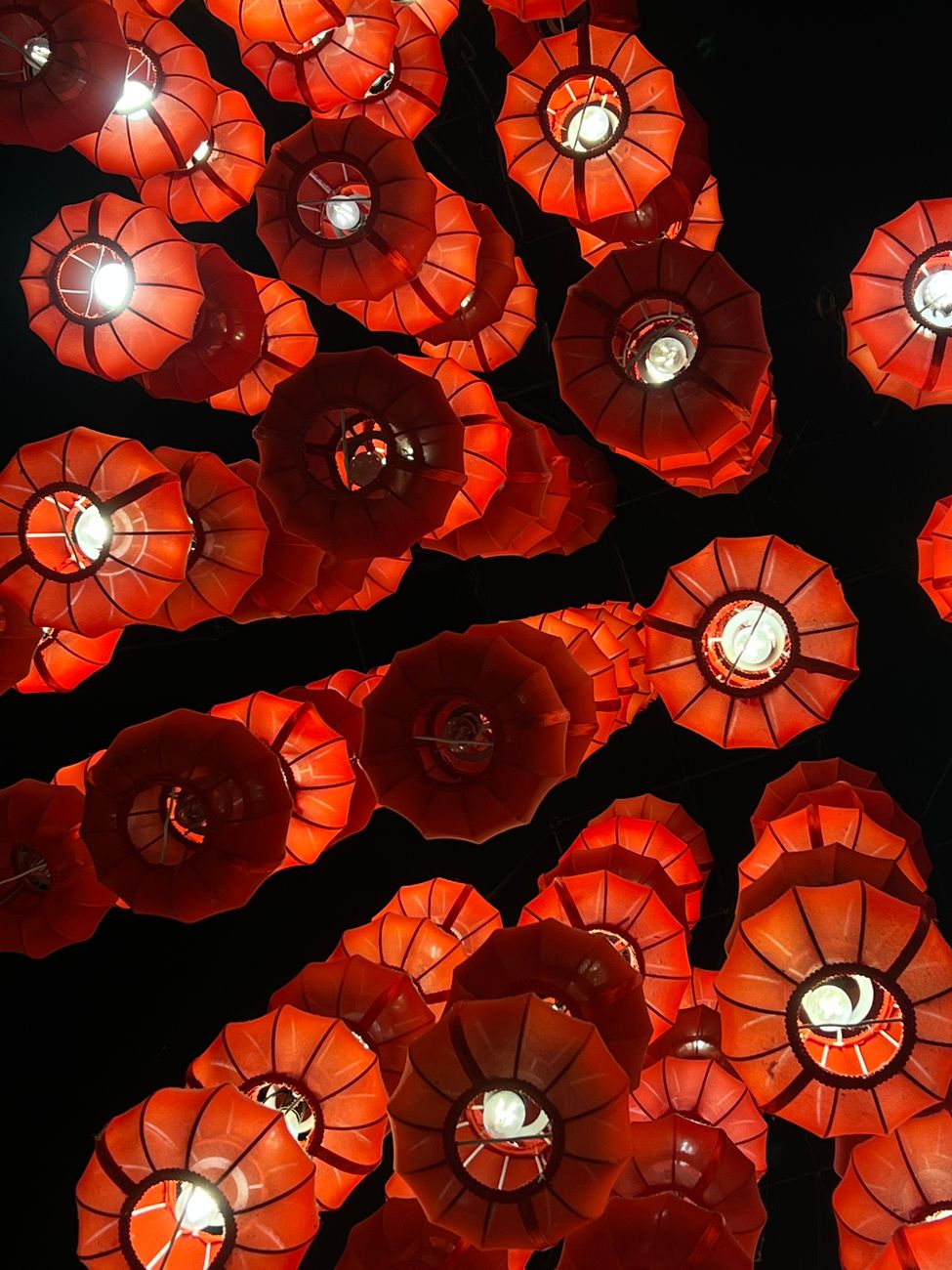
Chinese New Year In Singapore Is Not Just Two Public Holidays. The Build-Up Is Half The Experience.
By the time Chinese New Year arrives, Chinatown has turned red and gold, mandarin oranges seem to be everywhere, families are preparing for reunion dinners and queues for festive food can become an event of their own.
If you are visiting Singapore around Chinese New Year 2027, you are arriving during one of the most important periods of the year for Singapore’s Chinese community.
But for a visitor, the interesting part is not simply knowing where the decorations are.
It is understanding why people exchange oranges, why red packets are given, why families gather for reunion dinner, why everybody starts tossing a salad into the air, and why Chinatown becomes particularly lively before the festival itself.
Chinese New Year 2027: the first day falls on Saturday, 6 February 2027, followed by the second day on Sunday, 7 February. Monday, 8 February is also a public holiday.
What Exactly Is Chinese New Year?
Chinese New Year, also commonly called Lunar New Year, follows the Chinese lunar calendar.
The traditional celebration extends over 15 days, but much of the preparation begins well before the first day of the new year.
At its heart, the festival is strongly connected with family, reunion, relationships, renewal and wishes for good fortune in the year ahead.
Preparation
Homes are cleaned, festive food is bought, decorations appear and families prepare for the celebrations ahead.
Reunion
The reunion dinner brings family members together before the new year begins.
Visiting
The first days are traditionally associated with family visits, festive meals and exchanging good wishes.
Once You Understand The Symbols, The Decorations Make More Sense
Chinese New Year is visually spectacular, but much of what you see is connected with wishes for prosperity, happiness, health and good fortune.
Red & Gold
Red dominates the festive landscape, while gold commonly reinforces the visual language of prosperity and good fortune.
Mandarin Oranges
Visitors may notice people carrying pairs of mandarin oranges when visiting family and friends. They form part of the festive exchange of good wishes.
Auspicious Words
Decorations frequently feature Chinese characters, greetings and phrases expressing wishes for happiness, prosperity and good fortune.
Red Packets
Red packets, commonly called ang bao in Singapore, are traditionally given during the festive period, particularly by married adults to children and younger unmarried relatives.
Don’t worry about memorising every symbol. Once you understand that much of Chinese New Year revolves around family, renewal and wishing people well for the coming year, many of the traditions become easier to read.
Chinatown Is Best Before Chinese New Year, Not Only On Chinese New Year
This is probably the most useful thing I can tell a visitor.
If you want to experience the visual build-up to Chinese New Year, Chinatown is one of the obvious places to go.
The district traditionally hosts festive street decorations, light-ups, seasonal stalls and community celebrations in the period leading up to the festival.
The atmosphere before Chinese New Year can actually be more interesting than arriving only after everybody has gone home to celebrate with family.
Preparations for Chinatown’s 2027 Chinese New Year celebrations are already underway, including plans for the festive street light-up. Detailed public event dates, however, should be checked closer to the festival.
And don’t treat Chinatown only as a seasonal decoration. The neighbourhood has a much bigger story. Read my Chinatown Singapore guide before you go.
Reunion Dinner Is One Of The Most Important Parts Of The Festival
For many families, Chinese New Year’s Eve is not about standing beneath decorations waiting for midnight.
It is about coming home.
The reunion dinner brings family members together for a meal before the new year begins.
This is useful for visitors to understand because Chinese New Year is not simply a public spectacle.
Behind the lanterns, shopping and celebrations, there is a very strong family tradition.
For travellers: if you are planning an important restaurant meal around Chinese New Year’s Eve or the first days of the festival, make reservations early and check the restaurant’s festive operating hours.
Why Is Everybody Throwing Salad Into The Air?
This is one of my favourite Chinese New Year traditions to explain to visitors.
During the festive period, groups gather around a colourful raw fish salad known as yusheng.
The ritual of tossing it together is commonly called lo hei in Singapore.
Auspicious phrases are called out as ingredients are added, and then everybody uses chopsticks to toss the salad together.
The general idea is abundance, prosperity and good fortune.
And yes, people tend to toss enthusiastically.
The first time you see lo hei, it can look like a group of adults collectively losing control of their dinner. Once somebody explains the symbolism, it makes considerably more sense.
Chinese New Year In Singapore Is Also An Eating Season
Like many Singapore celebrations, food is never far from the story.
Bak Kwa
Sweet-savoury barbecued meat becomes particularly associated with the Chinese New Year period, and popular shops can attract very serious queues.
Pineapple Tarts
Small buttery pastries filled with pineapple jam are a familiar sight in homes, shops and festive gift boxes.
Yusheng
A colourful festive dish that becomes even more memorable once everybody starts tossing it together.
But don’t spend your whole trip eating only seasonal food. Singapore’s hawker culture does not disappear for Chinese New Year.
Start with my Singapore Hawker Centres guide if you want the wider local food story.
If You Hear Drums, Go And Have A Look
Lion dances are among the most recognisable sights of the Chinese New Year period.
You may encounter performances at malls, businesses, hotels, community events and neighbourhood celebrations.
The lion is accompanied by loud percussion, including drums and cymbals, and the performance is associated with welcoming good fortune and driving away negative influences.
You do not necessarily need to build your entire itinerary around finding one.
Sometimes the better Singapore experience is simply hearing the drums, wondering what is happening, and following the sound.
Chinese New Year Is Not Only Shopping And Decorations
Temple visits are also part of the festive period for many devotees.
Chinese temples can become particularly active as people pray, make offerings and seek blessings for the year ahead.
Visitors are generally welcome at many places of worship, but remember that you are entering a functioning religious space, not a festival attraction.
Keep your voice down, avoid blocking worshippers, follow photography restrictions and give people space to practise their faith.
Chinese New Year Celebrations Extend Beyond Chinatown
Visitors sometimes assume that all Chinese New Year activity happens in Chinatown.
It doesn’t.
Singapore’s wider festive calendar has traditionally included major events such as River Hongbao and Chingay.
River Hongbao
River Hongbao is associated with large festive displays, cultural programming and public Chinese New Year celebrations.
Chingay
Chingay has evolved from a Chinese New Year procession into a much broader multicultural parade, with floats, costumes and performances representing Singapore’s diverse communities.
It is usually held during the second week of the Chinese New Year period.
2027 event dates: do not plan around dates copied from an older travel article. Check the official 2027 programme once organisers publish confirmed dates, locations and ticketing arrangements.
Chinese New Year Can Affect Opening Hours
This matters more than trying to memorise every festival event.
The first two days of Chinese New Year are public holidays, and some independent businesses, hawker stalls and restaurants may close or operate shorter hours while owners and staff celebrate with family.
Larger attractions, shopping centres and visitor-oriented businesses may continue operating, but do not assume that every individual business will.
If there is one particular restaurant, hawker stall, shop or attraction you absolutely want to visit, check its Chinese New Year operating hours directly. This is not the weekend for blind faith in Google opening hours.
Before Chinese New Year And During Chinese New Year Feel Very Different
Best For The Build-Up
Decorations, festive shopping, Chinatown atmosphere and preparations are already becoming part of everyday life.
Family Takes Over
Reunion dinner becomes central. Popular dining areas may be busy, while some businesses begin closing for the holiday.
Public Holidays
Families visit relatives, some businesses close, and the rhythm of the city can feel different from an ordinary weekend.
The Festival Continues
Chinese New Year is not finished after the second public holiday. Celebrations traditionally extend across a 15-day period.
How I Would Experience Chinese New Year As A Visitor
I would not spend an entire Singapore holiday chasing Chinese New Year events.
Instead, I would let the festival become part of the Singapore experience.
Visit Chinatown
See the decorations and festive build-up, but also understand the neighbourhood’s history.
Try The Food
Sample festive snacks, and join a lo hei if you have the opportunity.
Watch What Happens Around You
Lion dances, decorations, oranges, red packets and family gatherings make more sense once you know the story.
Leave a Reply